
Why Phosphates Cause Algae Blooms: The Complete Mechanism
Table of Contents
- How Phosphates Fuel Algae Growth
- How to Test Pool Phosphate Levels at Home
- Pool Phosphate Levels and Algal Bloom Risk
- Sources of Phosphate Entering Your Pool
- How to Lower Phosphates in a Pool
- Phosphate Remover for Pools: How It Works
- The Real Cost of Excess Phosphates: Water Quality and Safety
- Frequently Asked Questions
Last Updated: October 14, 2026
How Phosphates Fuel Algae Growth
Phosphates cause algae blooms because they act as a powerful nutrient that algae cells need to multiply rapidly. When phosphate levels rise in your pool, you're essentially feeding the algae population. The higher the phosphate concentration, the faster algae can reproduce and spread across your water.
Think of phosphates like fertilizer for your garden. Just as you add fertilizer to help plants grow, excess phosphates in water create ideal conditions for algae to thrive. This is the core mechanism behind why phosphates cause algae blooms in pools and natural water systems alike.
The Nutrient Cycle: Phosphorus as a Limiting Nutrient
In most water systems, phosphorus is the nutrient that limits algae growth. This means algae populations stay controlled because there isn't enough phosphorus available. Once you introduce excess phosphates, this natural limit disappears.
Algae needs three main nutrients to grow:
- Nitrogen
- Potassium
- Phosphorus
When phosphorus is scarce, algae growth slows down no matter how much nitrogen or potassium is present. But the moment phosphate levels spike, algae can use all the other nutrients it needs and explode in population. This is why controlling phosphate is so critical for preventing blooms.
Why Algae Respond So Aggressively to Phosphate Enrichment
Algae cells are designed by nature to capitalize on nutrient-rich environments. When phosphates become available, algae responds with aggressive growth because it's a survival strategy. In natural water systems, phosphate availability is rare, so algae evolved to reproduce rapidly whenever phosphates appear.
This aggressive response happens fast. You might notice green water or visible algae growth within days of phosphate levels spiking. The algae doesn't gradually increase, it blooms.
How to Test Pool Phosphate Levels at Home
Testing your phosphate levels is straightforward and takes just a few minutes. You'll need a phosphate test kit designed for pools. The EPA's guidance on recreational water quality emphasizes that regular testing is essential for safe, clear water.

Most pool owners can test phosphate levels using simple test strips. The Crystal Blue Phosphate Test Strips contain 25 test strips that measure phosphate levels up to 2500ppb (parts per billion). This range covers typical residential pool scenarios.
Understanding Phosphate Measurement and Safe Thresholds
Phosphate levels are measured in parts per billion (ppb). This unit tells you how many phosphate molecules exist in a billion water molecules. The lower your phosphate reading, the less likely algae will bloom.
Safe phosphate thresholds for pools are:
- Below 500 ppb: Excellent (low bloom risk)
- 500-1000 ppb: Good (manageable)
- 1000-2000 ppb: Fair (elevated risk)
- Above 2000 ppb: Poor (high bloom risk)
Many pool professionals recommend keeping phosphates below 500 ppb as a preventive measure. However, even pools with phosphates at 1000 ppb can develop blooms if other conditions favor algae growth, such as warm water and low chlorine levels.
To test your pool phosphate levels at home:
- Fill the test tube with pool water from elbow depth
- Add the test strip reagent according to kit instructions
- Wait the specified time (usually 30-60 seconds)
- Compare the color change to the provided chart
- Record your reading
Pool Phosphate Levels and Algal Bloom Risk
When phosphate concentration triggers harmful cyanobacteria depends on several factors working together. Phosphate alone doesn't guarantee a bloom, but it dramatically increases the risk.
A pool with high phosphates, warm water, and low chlorine is a perfect storm for algae. Cyanobacteria (sometimes called blue-green algae) thrive in these conditions. The relationship is direct: higher phosphates mean faster algae reproduction and a greater chance of visible blooms.
Research shows that freshwater systems with phosphate levels above 1000 ppb experience significantly more algal growth than those below 500 ppb. Your pool operates under the same biological rules. Once phosphates climb above 1500 ppb, you're in dangerous territory for rapid bloom development.
Sources of Phosphate Entering Your Pool
Phosphates enter your pool from more places than most owners expect. The list below covers the common sources, but the more useful skill is knowing how to trace which ones are actually affecting your water. A pool that tests high for phosphate after every rainstorm has a different problem than one that climbs steadily with no obvious cause.
Common Phosphate Sources
- Runoff water: Rain carries phosphates from soil, landscaping, and fertilizers. This is often the single largest contributor for pools surrounded by lawns or gardens.
- Fertilizer: Both synthetic and organic fertilizers contain phosphorus. Even "phosphorus-free" lawn products can contain other nutrients that feed algae indirectly.
- Detergents: Swimwear residue, cleaning products, and some pool chemicals contain phosphate compounds.
- Organic debris: Leaves, grass clippings, pollen, and dead algae release phosphates as they decompose.
- Wastewater: Groundwater seepage, septic systems, and nearby agricultural runoff can introduce phosphates.
- Body products: Sunscreen, cosmetics, and sweat contain trace phosphates.
- Tap water: Some municipal supplies contain low levels of phosphate, added as a corrosion inhibitor.
- Wildlife and pets: Bird droppings, dog fur, and other animal waste add phosphorus when they enter the water.
How to Trace Your Pool's Phosphate Sources
Instead of guessing, work through a simple diagnostic sequence:
- Test after rain. If phosphate jumps after a storm, runoff is likely the main source. Look at what drains toward the pool, slopes, gutters, planters, and lawn edges.
- Test after heavy use. If phosphate rises after a party or swim weekend, detergents, sunscreen, and body products are likely contributors.
- Test before and after debris removal. If phosphate drops sharply after skimming and vacuuming, organic debris is a major factor.
- Check your fill water. Test a sample of tap water. If it reads above 100 ppb, your source water is adding phosphate every time you top off.
- Inspect nearby inputs. Septic drain fields, compost piles, pet areas, and fertilized gardens within 20-30 feet of the pool are common culprits.
Prioritizing Prevention Actions
Not every prevention step is equally effective. Here is a realistic priority order for most residential pools:
Highest impact:
- Redirect runoff away from the pool with grading, gutters, or French drains.
- Switch to phosphorus-free fertilizers on nearby lawns and gardens, or avoid fertilizing within 20-30 feet of the pool.
- Keep the pool covered when not in use to block debris and rainfall.
Moderate impact:
- Skim and vacuum regularly to remove organic debris before it decomposes.
- Rinse swimwear before swimming, or ask guests to do so.
- Use phosphate-free cleaning products around the pool deck.
Lower impact but still useful:
Crystal Blue Phosphate Test Strips →
- Trim trees and plants that drop leaves into the pool.
- Backwash and clean filters on schedule to remove trapped organic material.
- Test fill water periodically and treat it if phosphate is elevated.
When Prevention Isn't Enough
Prevention stops new phosphate from entering, but it does not remove what is already in the water. If your pool tests above 500 ppb and you have identified and reduced your sources, active removal is the next step. Phosphate removers bind dissolved phosphate so your filter can capture it, and they work best when paired with the prevention steps above. Without prevention, you will simply be removing phosphate that keeps coming back.

How to Lower Phosphates in a Pool
Lowering phosphates requires two strategies: prevention and active removal.
Prevention focuses on stopping new phosphates from entering:
- Cover your pool when not in use to reduce debris and runoff
- Maintain a clean deck and surrounding area
- Use phosphate-free cleaning products
- Trim trees and plants near the pool
- Backwash your filter regularly to remove trapped organic material
Active removal means using phosphate-removing treatments. This is where most pool owners need to take action, especially if phosphate levels are already elevated.

Chemical phosphate removers work by binding phosphate molecules and making them settle out of the water where your filter can remove them. The process takes time, typically 24-48 hours for full effectiveness.
Phosphate Remover for Pools: How It Works
Phosphate removers come in two main forms: liquid and solid formulations. Solid formulations can deliver superior results for most pool owners.
Solid phosphate removers dissolve rapidly and distribute evenly throughout your pool. Unlike liquids, they eliminate the risk of spills, overdosing, and uneven distribution. Crystal Blue's Phosphate Remover Tablets use rapid dissolution technology that breaks down completely within hours, allowing your filter to capture the bound phosphates efficiently.
Why Solid Formulations Outperform Liquid Alternatives
Solid formulations offer several advantages over traditional liquid treatments.
Liquid phosphate removers require precise measuring and careful pouring. One mistake, adding too much or pouring in the wrong spot, can create localized high concentrations that take hours to disperse. Solids eliminate this problem entirely.
Liquid treatments also risk spilling. A dropped bottle or overflow during application wastes product and creates safety hazards. Solids are contained until they enter the water, making them cleaner and safer to handle.
The efficiency difference matters too. Research on phosphate removal effectiveness demonstrates that solid formulations achieve faster phosphate binding and removal compared to liquids.
For DIY homeowners, solid formulations can be more forgiving. If you're unsure about exact dosing, a slightly over-dosed solid will still work safely. With liquids, overdosing can create chemistry imbalances that require additional correction steps.
The Real Cost of Excess Phosphates: Water Quality and Safety
Excess phosphates destroy water quality and create health risks that go beyond simple aesthetics.
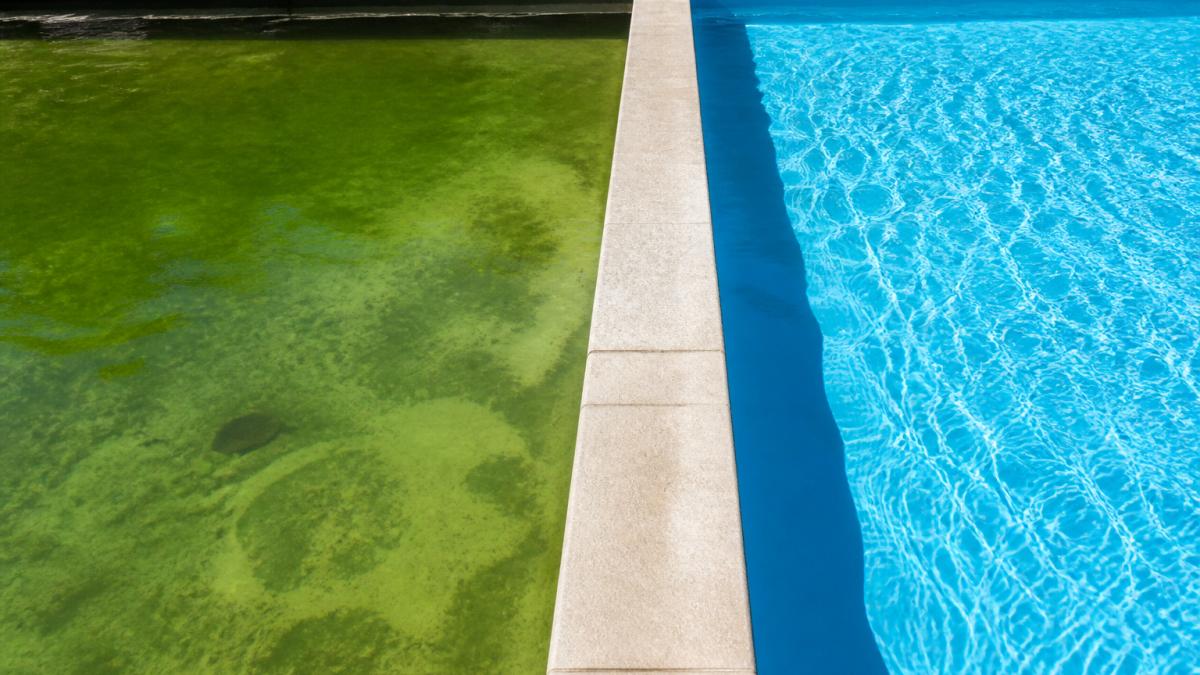
When phosphates fuel algae blooms, the water becomes cloudy and discolored.
Decomposing algae creates additional problems. As algae dies, it sinks and decomposes.
Phosphate-driven blooms also damage pool infrastructure. Algae stains surfaces and clogs filters. Equipment works harder and wears out faster.
According to CDC guidelines on recreational water illness, pools with visible algae and poor water clarity pose documented health risks.
Crystal Blue's solid phosphate removal solutions prevent these problems before they start.
Shop Professional Products and protect your pool investment today. With Crystal Blue, phosphate management becomes simple, reliable, and effective.
Frequently Asked Questions
What phosphate level can encourage algae growth in a pool?
Phosphate levels above 500 ppb (parts per billion) significantly increase algae bloom risk, while levels above 1000 ppb create ideal conditions for rapid algal growth and cyanobacteria proliferation. Most experts recommend keeping phosphate levels below 100 ppb to prevent bloom formation. Use Crystal Blue Phosphate Test Strips to monitor your water regularly, they test up to 2500 ppb and provide clear readings to guide your treatment decisions.
How do phosphates contribute to algae blooms in a pool?
Phosphates act as a primary nutrient that algae and cyanobacteria require to reproduce rapidly. When phosphate concentration rises, algae cells multiply exponentially because they have abundant food. This process, called nutrient enrichment or eutrophication, creates conditions where harmful algal blooms develop within days. The excess phosphorus fuels the bloom cycle: algae grow, consume oxygen, decay, and release more nutrients that trigger further growth.
How can I test phosphate levels in pool water at home?
Test strips are the simplest method for DIY pool owners. Crystal Blue Phosphate Test Strips measure phosphate levels up to 2500 ppb with 25 tests per box. Submerge a strip in your pool water for the recommended time, then compare the color to the chart provided. Test monthly during the swimming season and after heavy rain or storms that may introduce runoff. Keep records to track trends and identify when phosphate removal becomes necessary.
Do solid phosphate removers work faster than liquid alternatives?
Solid formulations with rapid dissolution technology can dissolve faster and more completely than traditional liquids, ensuring consistent phosphate removal without spills or overdosing. Crystal Blue Phosphate Remover products come in both granule and tablet forms designed for quick dissolution. Solids eliminate the measuring and mixing errors common with liquids, making the application process more efficient for both DIY homeowners and professionals managing multiple pools.